Where to Eat BBQ by Neighborhood in Austin
A neighborhood-by-neighborhood route through Austin's city pits and the meat-market towns beyond the limits.
AIAI-assisted article, reviewed by the BBQ Atlas editorial team.
Start with the map, not the ranking
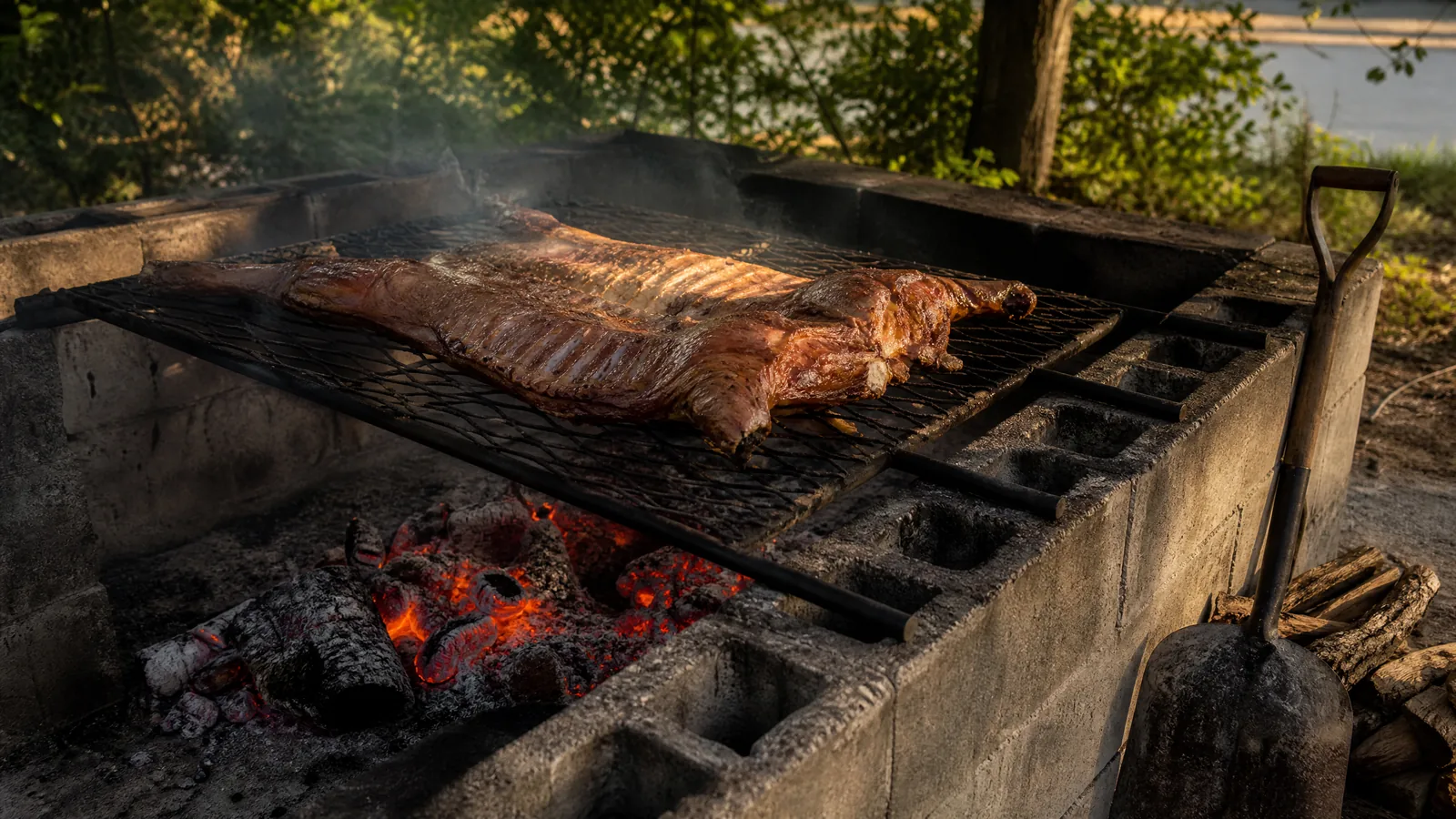
Austin has enough barbecue to make a simple best-of list feel like a logistics problem. The smarter move is to choose an area, pick one anchor stop, and add a second only if your appetite and timing allow it. The full Austin BBQ guide is the broad map; this route narrows it to neighborhoods and nearby towns. If you are comparing Austin with Kansas City, Memphis, or the Carolinas, the four styles of American barbecue explains why Central Texas revolves so heavily around beef, post oak, and relatively spare seasoning.
East Austin: the essential city stop
For many visitors, East Austin is the most natural place to begin. It combines the city's casual, line-up-and-order energy with some of its most recognizable barbecue. Franklin Barbecue is the obvious anchor: plan around it rather than squeezing it between other meals. A neighborhood stop works best when you treat the plate as a tasting board — brisket first, then a smaller portion of whatever else looks strongest that day. East Austin also makes sense as the starting point for a wider food crawl because you can leave the pit and continue exploring without committing to a long drive.
South Congress: barbecue that fits into a city day
The South Congress corridor is useful when barbecue is part of the day rather than the entire day. Loro bends the Central Texas smokehouse idea toward a more contemporary, cross-cultural menu, making it a different kind of stop from the classic meat-market model. This is where you go when the group wants smoked meat but also wants variety, drinks, and a meal that fits naturally around shopping or sightseeing. It is less about reenacting an old-school counter-service ritual and more about seeing how Austin stretches barbecue beyond the traditional tray of brisket, sausage, pickles, and bread.
Downtown: keep it simple and sit down
Downtown Austin is the practical choice when you want barbecue without rerouting the whole day. The tradeoff is obvious: the city's most iconic smokehouses often sit outside the core, while downtown favors convenience and a more conventional dining-room rhythm. Use this area when you are already staying nearby, meeting a group, or balancing barbecue with museums, nightlife, or a conference schedule. If your goal is a once-a-trip destination plate, head east or drive out of town; if your goal is to keep everyone moving, downtown earns its place on the map.
Lockhart: the classic drive-out barbecue town
The city map changes once you point south toward Lockhart. Here the barbecue experience feels less like an Austin restaurant crawl and more like a visit to the meat-market roots of Central Texas barbecue. Kreuz Market is the kind of stop that makes the drive worthwhile because the setting, service style, and focus on smoked meat are part of the meal. Do not arrive determined to eat a full platter at every counter. Split sausage, brisket, or another cut, take notes, and leave enough room to understand the town through more than one pit if the day allows.
Taylor: make one focused pilgrimage
North and east of Austin, Taylor is a different kind of excursion: fewer stops are necessary when one landmark can carry the trip. Louie Mueller Barbecue is the draw, a smoke-darkened room associated with the big, peppery beef tradition that helped define Central Texas. Taylor works best as a deliberate half-day move rather than an add-on after three Austin meals. Arrive hungry, order with restraint, and let the drive create some space around the experience. A barbecue trip feels more memorable when every stop has a reason to exist beyond checking another name off a list.
How to stitch the neighborhoods together
For a single day, pair one in-town zone with one drive-out destination rather than trying to conquer the whole map. East Austin plus Lockhart gives you the strongest contrast between modern city demand and old meat-market tradition. South Congress plus Taylor creates a looser day with more variety in the city and one focused destination outside it. If you want a second Austin stop without crossing town, Distant Relatives shows how smoke can carry a different culinary point of view while still feeling grounded in barbecue technique. The rule is simple: travel less, taste more, and give each pit enough appetite to matter on the plate and enough time to notice the differences.
Explore more on the Atlas
- Austin BBQ guideEvery area and barbecue stop we cover in Austin.
- East Austin BBQDestination smoke and some of the city's best-known pits.
- South Congress BBQA flexible barbecue stop along one of Austin's busiest corridors.
- BBQ in LockhartThe classic Central Texas meat-market road trip.
- BBQ in TaylorA focused drive for one of the region's landmark smokehouses.
- The four great styles of American barbecueHow Central Texas fits into the national barbecue map.
The best BBQ in America, in your inbox
New pit reviews, city guides, and road-trip routes across the BBQ belt — sent when they matter, never spam.
Yes, email me BBQ Atlas updates. I can unsubscribe anytime via the link in every email.