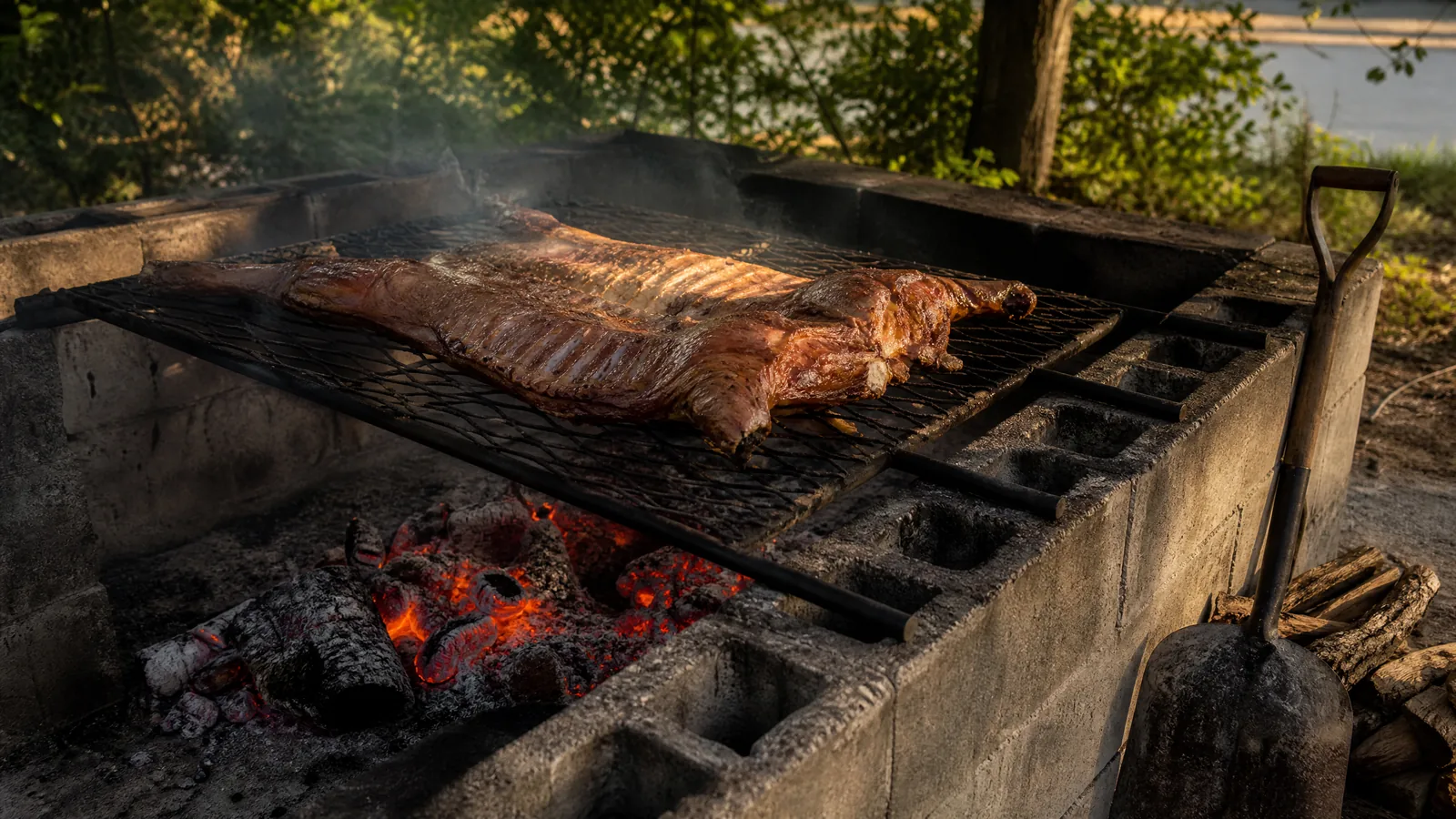
Central Texas BBQ, Explained: Brisket, Post Oak & Restraint
A style built on confidence: good beef, clean smoke, simple seasoning, and nothing there to hide the result.
AIAI-assisted article, reviewed by the BBQ Atlas editorial team.
The logic is subtraction
Central Texas barbecue is easiest to understand by noticing what it leaves out. The rub is spare, the smoke is clean rather than heavy, and sauce is not expected to rescue dry meat or dominate the bark. That restraint puts technique under a bright light: the cut, the fire, the trim, the timing, and the rest all matter because there is nowhere for mistakes to hide. The Austin BBQ guide maps the style across the city and the nearby towns that shaped it.
Brisket is the center of gravity
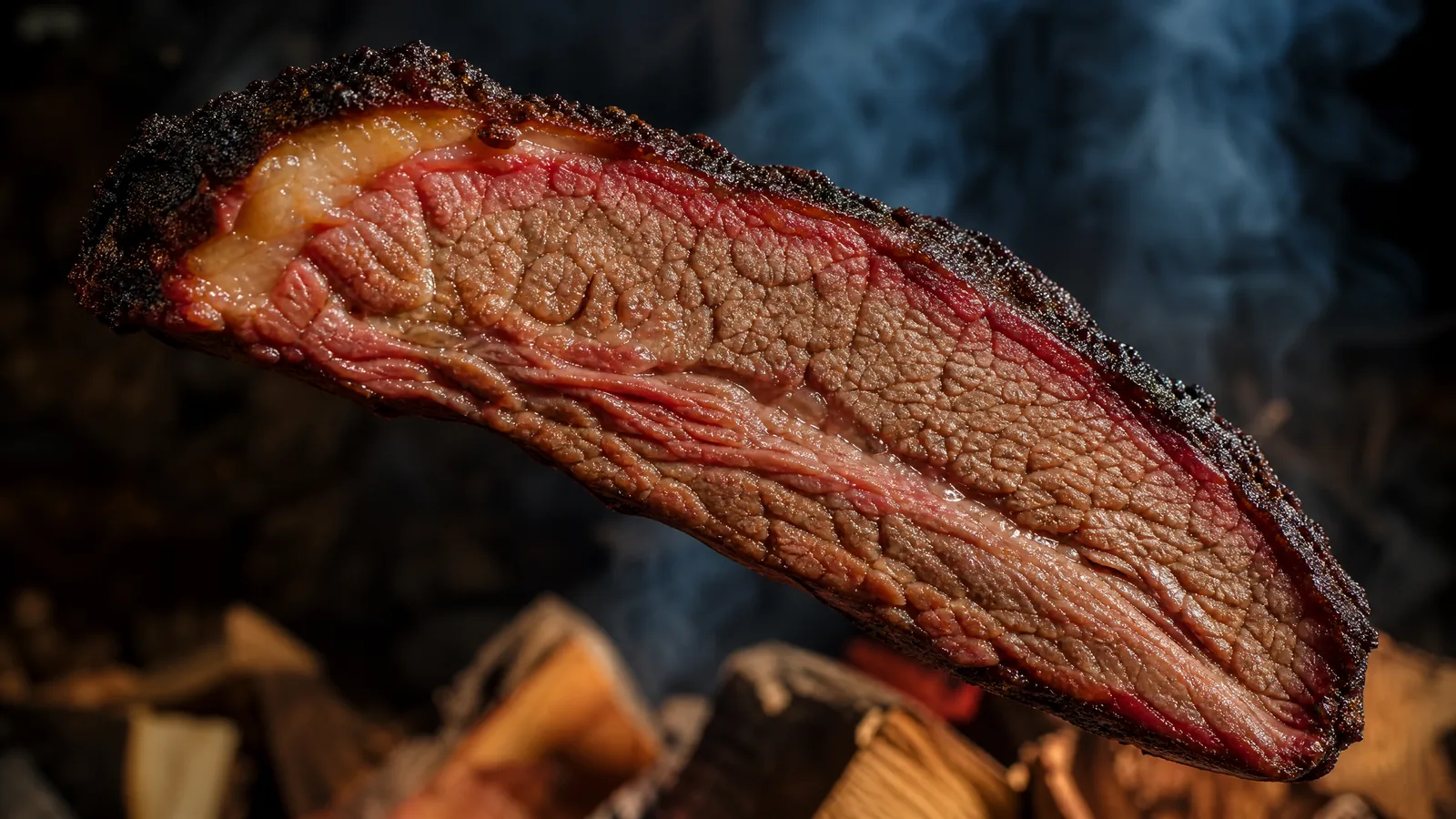
Beef brisket fits the Central Texas philosophy because it rewards patience more than ornament. A simple salt-and-coarse-pepper rub builds a savory crust while hours of low heat render fat and soften connective tissue. The goal is not merely tenderness; it is contrast — a dark bark outside, juicy slices within, and enough smoke to frame the beef without turning acrid. That is why the region’s best brisket remains the clearest test of a pit. At Franklin Barbecue, brisket sits at the center of the experience even when the menu reaches well beyond it.
Why post oak matters
Post oak is part fuel, part seasoning. It burns steadily and, when managed well, produces a relatively clean smoke that supports beef instead of burying it. That makes it ideal for a style built on clarity. Central Texas pits are not chasing the biggest possible smoke flavor; they are chasing balance over a long cook. The wood’s role is noticeable but disciplined, one more expression of the regional preference for control over excess.
Market sausage and the butcher-shop roots
Brisket may be the modern icon, but sausage explains the older meat-market DNA behind the style. Central Texas barbecue grew alongside butcher shops that needed useful, delicious ways to turn trimmings into something customers would buy and eat immediately. The result is the snappy, smoked link that still shares trays with brisket today. The Atlas guide to Austin sausage shows how central that tradition remains, while Kreuz Market in Lockhart represents the meat-market lineage in its most recognizable form.
Sauce on the side is a statement
In Central Texas, sauce is usually a condiment rather than the defining flavor. That does not mean sauce is forbidden; it means the meat is expected to stand without it. The posture is revealing. Kansas City often treats thick, sweet sauce as part of the identity, Memphis is closely associated with pork and dry-rub traditions, and the Carolinas lean into chopped or pulled pork with thinner vinegar- or mustard-driven sauces. Central Texas stakes its claim on beef, pepper, oak, and rendered fat. The national four-styles guide makes those contrasts easy to see side by side.
Restraint does not mean sameness
A narrow rule set still leaves room for personality. Some pits push pepper harder; some run a cleaner, lighter smoke; some emphasize sausage; others make giant beef ribs the showpiece. Travel north to Taylor and Louie Mueller Barbecue, and the beef-rib tradition makes the same point on a larger scale: simple seasoning can create enormous flavor when the fire and raw product are handled well. The style is disciplined, not rigid.
In Central Texas, the pitmaster's job is to add smoke without taking anything away from the beef.
Explore more on the Atlas
- Austin BBQ guideEvery pit, area, and dish we cover in Austin.
- Best brisket in AustinThe defining Central Texas cut, ranked.
- Best sausage in AustinMarket-style smoked links across the region.
- Best beef ribs in AustinThe biggest expression of Central Texas beef barbecue.
- The four great styles of American barbecueHow Central Texas compares with Kansas City, Memphis, and the Carolinas.
- BBQ around LockhartExplore the historic meat-market town south of Austin.
The best BBQ in America, in your inbox
New pit reviews, city guides, and road-trip routes across the BBQ belt — sent when they matter, never spam.
Yes, email me BBQ Atlas updates. I can unsubscribe anytime via the link in every email.