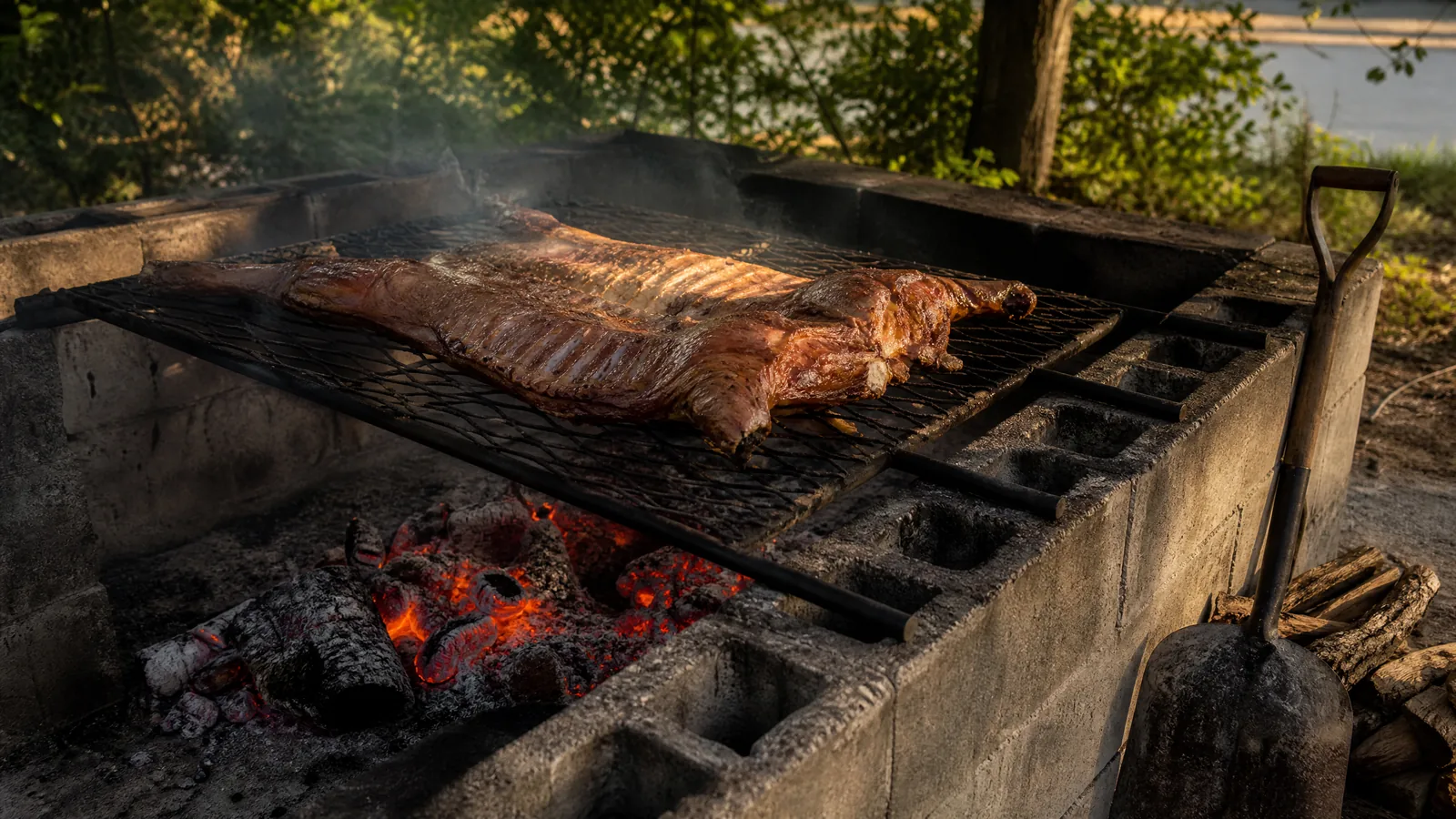
Memphis's Signature: Dry Ribs vs. Wet Ribs
One rack, two traditions, and a debate that explains Memphis barbecue better than almost anything else.
AIAI-assisted article, reviewed by the BBQ Atlas editorial team.
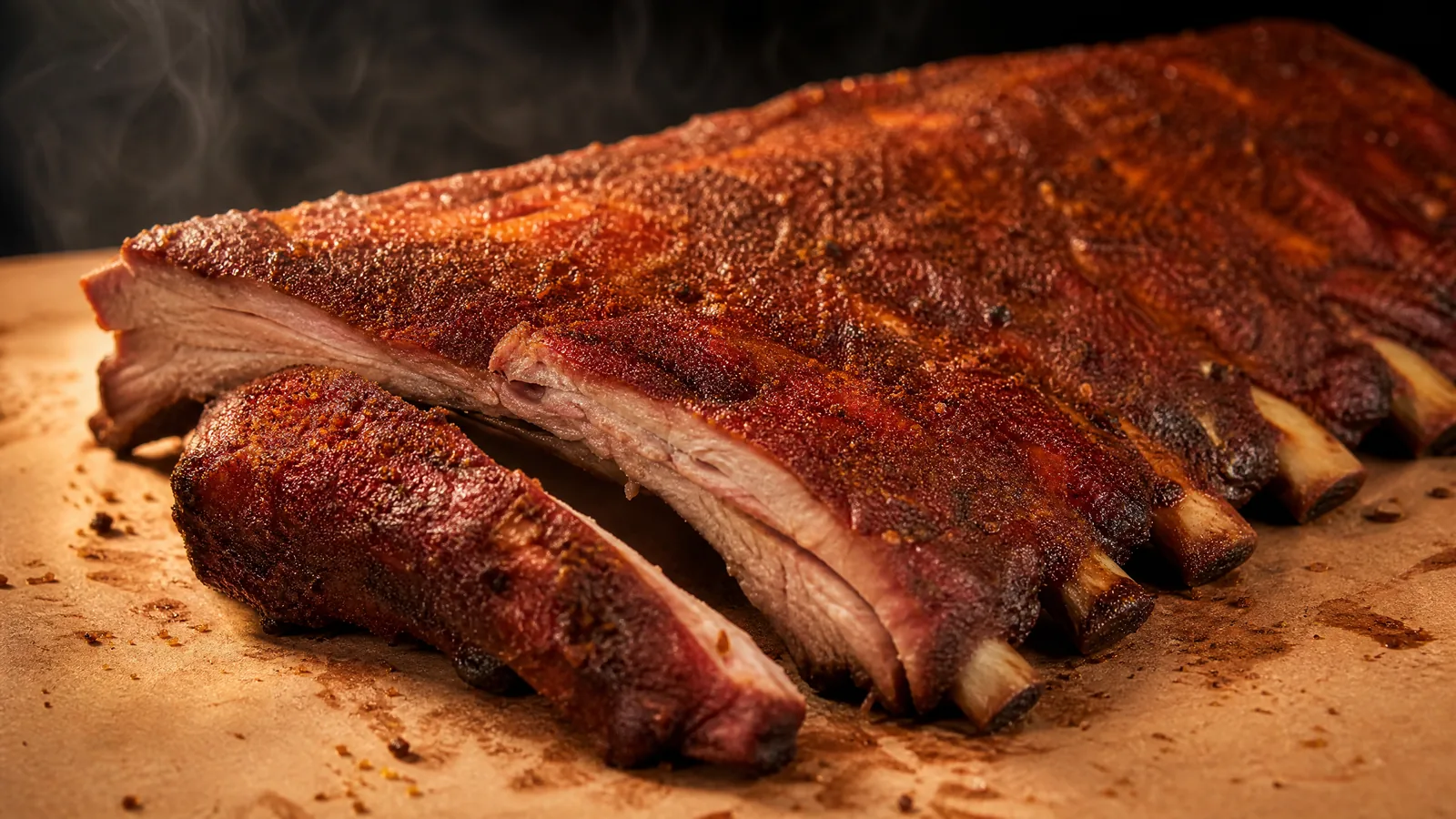
Why ribs are the Memphis signature
Memphis has plenty of pulled pork, sandwiches, and smokehouse sides, but ribs are where the city’s identity becomes easiest to taste. A slab gives the pitmaster a narrow canvas: pork, smoke, seasoning, heat, and time. The debate over dry-rub ribs and wet ribs is really a debate over how much of the final flavor should come from spice versus sauce. Both begin with pork and smoke; the difference is what happens on the surface. For the bigger picture, the Memphis BBQ guide shows how ribs sit alongside the city’s other pork traditions. That simplicity makes ribs a useful test of technique. Too little rendering and the bite turns chewy; too much and the slab loses structure. Too much seasoning can flatten the pork, while too little leaves smoke doing all the work. Memphis ribs live in that narrow middle, where texture and surface flavor have to agree.
What makes a dry rib ‘dry’
Dry does not mean unseasoned, and it definitely does not mean dry meat. The name refers to the finish. Instead of coating the ribs in barbecue sauce, the pitmaster leans on a spice blend — often built around paprika, salt, pepper, garlic, and other savory or mildly sweet seasonings — so the rub becomes the dominant top note. Smoke and rendered pork fat carry those spices across the bark. The result is more direct: you taste the meat, the charred edges, the seasoning, and the smoke without a glossy layer in between. A well-built dry rack also changes as you eat it. The first impression may be paprika and salt, but the deeper bites bring smoke, pork fat, and the toasted edge of the rub. That layered quality is why dry ribs can feel intense without being sauced: the seasoning is doing more than sitting on top.
The Rendezvous legacy
No place is more closely tied to the dry-rib idea than Charlie Vergos' Rendezvous, the downtown institution that helped make seasoned, sauce-light ribs synonymous with Memphis. Its legacy matters because it turned a preparation style into a citywide calling card. A rack of Memphis dry ribs should not need a heavy finishing sauce to make its point; the spice crust and pork have to carry the bite. If you are building a first tasting around the classic version, the Downtown and Beale Street area puts that history at the center of the route.
What wet ribs do differently
Wet ribs move the emphasis toward sauce. Memphis sauce is generally thinner and tangier than the thick, sweet style associated with Kansas City, so it can season the rack without burying it. Some cooks brush it on late, allowing it to tighten over the surface; others use it as a finishing layer that adds vinegar, tomato, sweetness, and spice to every bite. The best wet ribs still taste like smoke and pork first. Sauce should sharpen and round the flavor, not turn the rack into candy. That thinness matters. A lighter sauce can settle into the bark and cling to the meat without creating the lacquered shell you might expect elsewhere. It keeps the rib recognizable as Memphis barbecue even when the rack arrives visibly sauced.
Where each style shines
Dry ribs reward attention to bark, smoke, and seasoning. They are especially revealing when the meat itself is excellent, because there is less sauce to hide behind. Wet ribs shine when you want contrast: smoky pork against tangy sauce, rendered fat against vinegar, savory bark against a little sweetness. The Bar-B-Q Shop is a natural stop for tasting Memphis sauce in the rib conversation, while Central BBQ gives newcomers another useful reference point for the city’s modern rib culture. The right choice depends less on ideology than on what you want the final bite to emphasize.
Dry shows you the rub. Wet shows you the sauce. Great Memphis ribs make you taste the pork either way.
How to compare them like a local
Order both styles when you can, and compare the same things: how cleanly the meat bites from the bone, whether the surface has real smoke character, whether the seasoning is balanced, and whether the pork still tastes like pork. Do not assume the saucier rack is automatically sweeter or the dry rack automatically spicier. Each pit builds its own balance. Cozy Corner adds another old-school perspective to a rib tour, and the national four styles of American barbecue guide helps explain why Memphis lands between the sauce-driven richness of Kansas City and the pork-and-vinegar traditions farther east. The best conclusion is usually the simplest one: Memphis needs both. If you are sharing a table, split a rack of each before choosing a favorite. Taste a middle rib and an edge rib from both; the center shows tenderness and smoke, while the ends reveal how the rub or sauce behaves around caramelized edges. That side-by-side comparison is more useful than arguing from labels alone.
Explore more on the Atlas
- Memphis BBQ guideEvery pit, area, and dish we cover in Memphis.
- Dry-rub ribsThe spice-first side of Memphis's defining rib debate.
- Wet ribsSauced Memphis ribs and the flavor logic behind them.
- Charlie Vergos' RendezvousThe downtown institution most associated with Memphis dry ribs.
- The four great styles of American barbecueWhere Memphis fits on the national barbecue map.
The best BBQ in America, in your inbox
New pit reviews, city guides, and road-trip routes across the BBQ belt — sent when they matter, never spam.
Yes, email me BBQ Atlas updates. I can unsubscribe anytime via the link in every email.